
You’ve worked hard to define your brand’s visual identity and understand the essential elements of a great website (if you haven’t, check out our “Basic Website & Homepage Checklist!”). Now, if you’re considering bringing in a professional designer to bring your vision to life, that’s a smart strategic move!
This guide is designed to empower you with the right questions to ask, ensuring a smooth process and protecting your valuable investment. Making informed decisions now can save you time, money, and stress down the line. Let’s make sure your digital assets are built for long-term success!
Part 1: Key Questions for Your Designer – Understanding the Process & Deliverables
These questions help you gauge a designer’s fit for your project and clarify what you’ll receive.
“Can you show me examples of other websites you’ve designed for businesses similar to mine in scope or industry?”
- This helps you see if their style and experience align with your needs.
“What is your typical process for designing a basic website or landing page?”
- Understanding their workflow (e.g., discovery, design, review, launch) helps set expectations.
“What information will you need from me to get started, and how long does the process usually take?”
- Knowing your responsibilities and the timeline helps you prepare and plan your business launch or revamp.
“What platform will you build the website on (e.g., Squarespace, Wix, WordPress), and will I be able to easily update it myself after it’s launched?”
- Ensure the platform suits your comfort level for future self-management. You want control over your content!
“What is included in your basic website design package, and are there any additional costs I should anticipate (e.g., for hosting, domain names, premium themes, plugins, stock photos, copywriting services)?”
- Get a clear, itemized breakdown of services and any potential hidden fees upfront. No surprises!
Part 2: Essential Questions for Your Protection & Long-Term Control
These questions are absolutely critical for safeguarding your digital assets and ensuring you maintain full control over your website in the long run.
Crucial Question: “Who owns the website and its content once it’s built and paid for, and what happens if I stop working with your company?”
- Make sure you ask this explicitly! Some companies host your website on their own accounts, and if you end your relationship, they might shut down or remove your access to the site.
- You should always have full ownership and direct access to your website’s files, content, and all associated account credentials (your domain name registration, website platform login, and web hosting account login).
- Ensure clarity on what happens if you part ways: Will they transfer ownership to you? Is there a fee for this? You want to be sure you can maintain your website independently or move it to another provider if needed, without losing your entire online presence.
“Will I have direct access to my domain name registration account (e.g., GoDaddy, Namecheap) and my web hosting account (e.g., Bluehost, SiteGround WP Engine)?”
- Tip: It’s highly recommended that you register and own your domain name directly, and set up your own hosting account, even if your designer manages it initially. This gives you ultimate control and prevents your website from being held “hostage” if issues arise with the designer. They can still build and manage it, but you hold the keys.
“What are the ongoing costs for website hosting, domain name renewal, and any necessary software licenses or premium themes/plugins?”
- Tip: These are often recurring annual or monthly fees separate from the designer’s build fee. Understand these long-term costs upfront so there are no surprises after launch.
“What kind of post-launch support or training do you offer? Is there a warranty period for bugs or issues?”
- Tip: A good designer will offer some level of support after launch. Clarify what’s included (e.g., 30 days of bug fixes) and what would incur additional charges (e.g., ongoing content updates, new feature development).
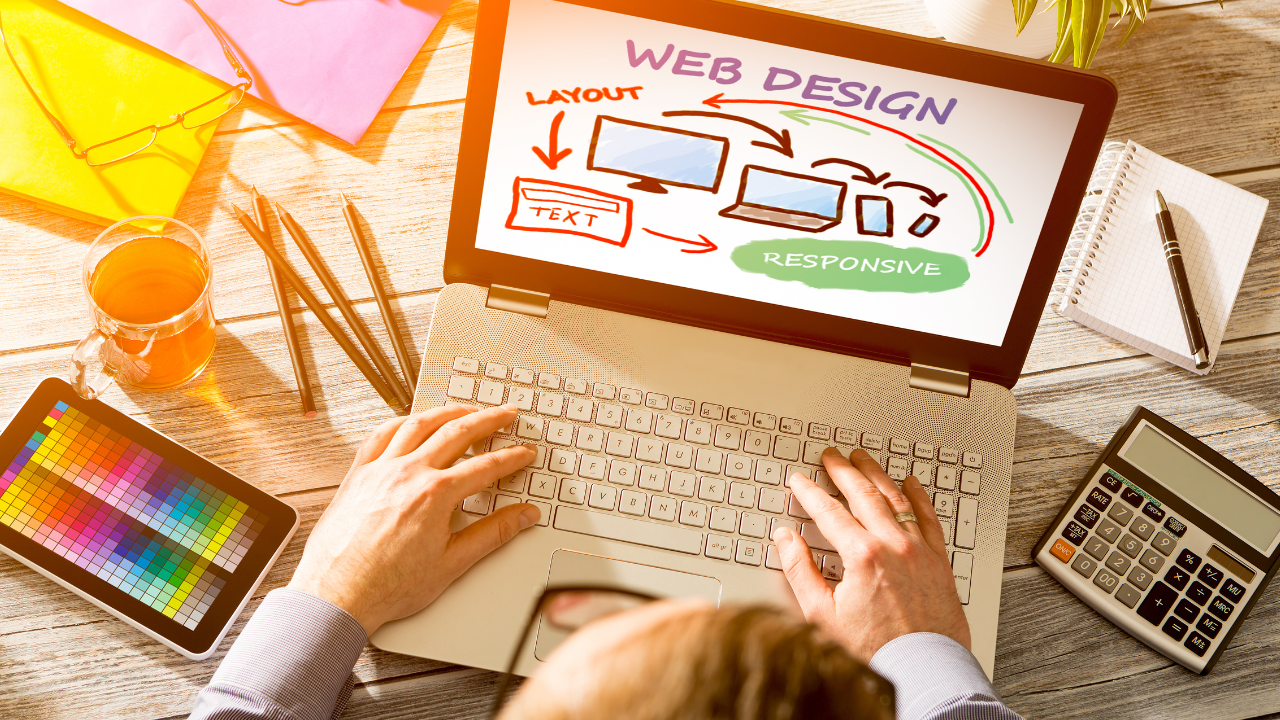
“Will the website be optimized for mobile devices (responsive design)?”
- Tip: This is non-negotiable in today’s mobile-first world. Your website must look and function perfectly on phones and tablets.
“Will you include basic SEO (Search Engine Optimization) elements on the website, such as title tags, meta descriptions, and image alt text?”
- Tip: While Havins Business Services focuses on operational processes, not marketing, ensuring these fundamental SEO elements are in place from the start helps Google understand your site better, making it more discoverable over time. This is a foundational step, not advanced marketing.
“Can we have a written contract that outlines all deliverables, timelines, costs, terms of ownership and intellectual property?”
- Tip: Always, always get everything in writing. A clear, comprehensive contract protects both you and the designer and minimizes misunderstandings. Review it carefully before signing.
You’re Making Smart, Empowered Decisions!
Hiring a professional designer is an investment in your business’s future. By asking these questions, you’re not just getting a website; you’re securing a valuable asset and a clear understanding of your partnership. You’ve got this!
As your business grows and your processes become more complex, we are here to help you optimize your operations for maximum efficiency and scale. Schedule your free consultation today at www.HavinsConsulting.com and let’s map out your path to seamless growth. Stop guessing and start growing!